
What is Vaccination?
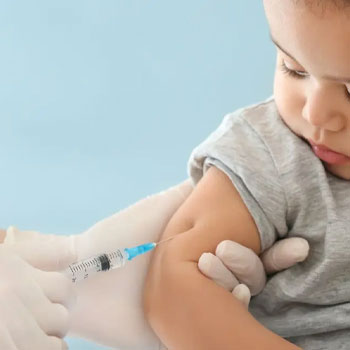
Vaccination is a safe and effective way to help protect children from certain serious infections. A vaccine works by training the body’s immune system to recognize harmful germs such as viruses or bacteria. After vaccination, the body learns how to fight the infection faster if it comes in contact with the same germ in the future.
Vaccines do not usually cause the disease they are meant to prevent. Instead, they help the immune system build protection. This protection may reduce the risk of severe illness, hospital visits, complications, and the spread of infection to others.
Why is Vaccination Important?
Children are exposed to many germs as they grow, play, travel, and interact with others. Some infections can become serious, especially in young children whose immune systems are still developing. Timely vaccination helps create strong protection during important stages of growth.
Vaccination also helps protect the community. When more children are vaccinated, infections have fewer chances to spread. This is especially helpful for babies who are too young for certain vaccines and for people with weak immunity.
How Do Vaccines Work?
When a vaccine is given, the immune system responds by making protective cells and antibodies. These antibodies act like a memory system. If the real infection enters the body later, the immune system can respond quickly and fight it more effectively.
When Should Children Get Vaccinated?
Vaccines are usually given according to an age-based schedule. Some are given at birth, while others are given during infancy, early childhood, and school age. Booster doses may also be needed to maintain protection over time.
Parents should keep a proper vaccination record and follow the recommended schedule. Missing or delaying vaccines may leave a child unprotected during a vulnerable period.
Are Mild Reactions Normal?
Some children may have mild fever, swelling, redness, or pain at the injection site after vaccination. These reactions are usually temporary and settle on their own. A healthcare professional can guide parents on what to expect after each vaccine.
Final Note
Vaccination is an important part of child health care. It supports immunity, helps prevent serious infections, and contributes to safer communities. For the right vaccine schedule and guidance, consult a qualified child health specialist.