
What Is Gastric?
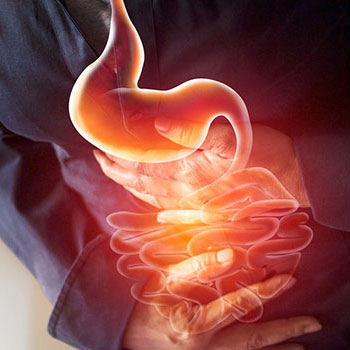
The word “gastric” is commonly used to describe problems related to the stomach. Many people say they have “gastric” when they feel acidity, bloating, burning sensation, indigestion, burping, or stomach discomfort. In medical terms, gastric issues may include acidity, gastritis, indigestion, gas formation, or irritation in the stomach lining.
What Causes Gastric Problems?
Gastric discomfort can happen due to several everyday reasons. Skipping meals, eating spicy or oily foods, drinking too much tea or coffee, overeating, late-night meals, stress, smoking, alcohol intake, and lack of sleep can increase stomach irritation. Some people may also experience gastric symptoms after eating certain foods that do not suit their digestion.
Common Symptoms of Gastric Issues
Symptoms may vary from person to person. Common signs include stomach burning, acidity, bloating, frequent burping, nausea, heaviness after meals, chest burning, sour taste in the mouth, stomach pain, and loss of appetite. These symptoms may be mild at first but can become uncomfortable if ignored.
How to Manage Gastric Discomfort?
Simple lifestyle changes can help reduce gastric problems. Eat meals on time, avoid very spicy and oily foods, drink enough water, reduce tea and coffee intake, avoid lying down immediately after food, and maintain a healthy sleep routine. Eating smaller portions and chewing food properly can also support better digestion.
When Should You Consult a Doctor?
If gastric symptoms happen frequently, disturb your daily routine, or do not improve with basic lifestyle changes, it is better to consult a doctor. Seek medical advice immediately if you have severe stomach pain, vomiting, difficulty swallowing, blood in vomit or stool, sudden weight loss, or persistent chest discomfort.
Gastric problems are common, but repeated acidity, bloating, or stomach burning should not be ignored. Understanding the cause and taking timely care can help protect your digestive health. For proper diagnosis and treatment, consult a qualified healthcare professional.