
What is Tubectomy & Hysterectomy?
Tubectomy and hysterectomy are two different gynecological procedures performed for different medical reasons. Many women get confused between these terms, but they are not the same. Understanding the purpose, process, and difference between tubectomy and hysterectomy helps women make informed health decisions after consulting a qualified gynecologist.
What is Tubectomy?
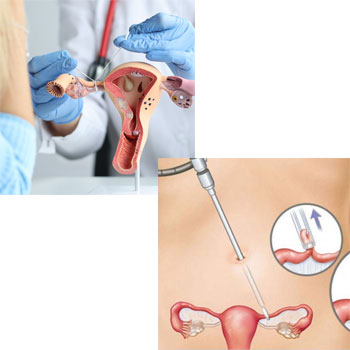
Tubectomy is a permanent female sterilization procedure used for birth control. In this procedure, the fallopian tubes are blocked, cut, or sealed so that the egg cannot meet the sperm. This prevents pregnancy. Tubectomy does not remove the uterus, and it does not affect menstrual periods or female hormones.
Women who have completed their family may choose tubectomy as a long-term contraceptive option. It is usually a short procedure and may be done after childbirth, during a cesarean section, or as a separate surgery. Since it is considered permanent, proper counseling is important before deciding.
What is Hysterectomy?
Hysterectomy is a surgical procedure in which the uterus is removed. After a hysterectomy, a woman will no longer have menstrual periods and cannot become pregnant. Depending on the patient’s condition, the doctor may remove only the uterus or may also remove the cervix, ovaries, or fallopian tubes.
Hysterectomy may be recommended for conditions such as fibroids, heavy bleeding, uterine prolapse, severe pelvic pain, endometriosis, or certain gynecological diseases. It is a major surgery and is advised only when medically necessary after proper evaluation.
Key Difference Between Tubectomy and Hysterectomy
The main difference is that tubectomy is done to prevent pregnancy by blocking the fallopian tubes, while hysterectomy involves removal of the uterus to treat specific health problems. Tubectomy does not stop periods, but hysterectomy stops periods permanently.
When Should You Consult a Gynecologist?
If you are planning permanent contraception, experiencing heavy bleeding, pelvic pain, irregular periods, or have been advised surgery, consult an experienced gynecologist. The right treatment depends on your age, health condition, symptoms, family planning goals, and medical history.
Note: This information is for general awareness only. Always consult a qualified gynecologist for diagnosis, treatment options, and personalized medical advice.