
What is Diabetes?
Diabetes is a long-term health condition that affects how the body uses glucose, also called blood sugar. Glucose is an important source of energy for the body’s cells. To use glucose properly, the body needs a hormone called insulin, which is produced by the pancreas.
When a person has diabetes, the body either does not produce enough insulin or cannot use insulin effectively. As a result, glucose builds up in the blood instead of moving into the cells. High blood sugar levels over time can affect different parts of the body, including the heart, kidneys, eyes, nerves, and blood vessels.
Types of Diabetes
Type 1 diabetes usually occurs when the body produces little or no insulin. It often starts in childhood or young adulthood, but it can occur at any age.
Type 2 diabetes is the most common type. In this condition, the body may still produce insulin, but it does not use it properly. It is often linked with lifestyle factors, family history, excess weight, and reduced physical activity.
Gestational diabetes can develop during pregnancy. It needs proper monitoring because it may affect both the mother and baby if not managed carefully.
Common Symptoms of Diabetes
- Frequent urination
- Increased thirst
- Unexplained weight loss
- Excessive hunger
- Tiredness or weakness
- Blurred vision
- Slow-healing wounds
- Tingling or numbness in hands and feet
Why Diabetes Awareness is Important
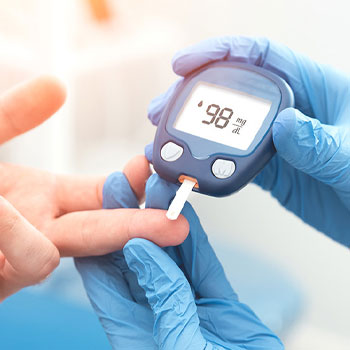
Diabetes may not always show clear symptoms in the early stages. Regular blood sugar testing, healthy food choices, physical activity, weight management, and timely medical consultation can help in better control of diabetes.
Ignoring high blood sugar can increase the risk of serious complications. Early diagnosis and proper management can help people with diabetes lead a healthier and more active life.
When to Consult a Doctor
If you notice symptoms such as frequent urination, excessive thirst, sudden weight changes, tiredness, or slow wound healing, consult a qualified doctor. Proper diagnosis and treatment guidance are important for safe diabetes management.