
What Is Critical Care?
Critical care is a specialized branch of healthcare focused on monitoring, supporting, and treating patients who are experiencing severe or life-threatening health conditions. It is designed for individuals who require constant observation, advanced medical support, and immediate attention due to serious illness, injury, infection, breathing problems, organ complications, or recovery after major procedures.
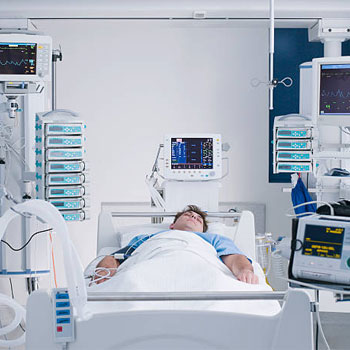
Critical care services are usually provided in a dedicated area of a hospital known as the Intensive Care Unit (ICU) or Critical Care Unit (CCU). These units are equipped with advanced monitoring systems and staffed by trained healthcare professionals who continuously observe patients and respond quickly to changes in their condition.
Why Critical Care Is Important
When a person’s body is unable to function normally because of a serious medical condition, timely and intensive support becomes essential. Critical care helps stabilize patients, supports vital body functions, and allows healthcare teams to manage complex conditions more effectively.
Some patients may need help with breathing, blood circulation, oxygen levels, or organ function. Others may require close monitoring after surgery or during recovery from severe infections, trauma, or medical emergencies. In such situations, critical care plays an important role in improving patient safety and supporting recovery.
Conditions That May Require Critical Care
Critical care is commonly needed for a wide range of severe health conditions. These may include:
- Severe infections and complications
- Respiratory distress or breathing difficulties
- Heart-related emergencies
- Major accidents or trauma
- Stroke and neurological emergencies
- Serious kidney or liver complications
- Poisoning or drug-related emergencies
- Complications after major surgeries
- Severe dehydration or shock
- Conditions requiring continuous monitoring
Not every patient admitted to a hospital requires critical care. It is generally reserved for individuals whose condition requires intensive observation and rapid medical response.
What Happens Inside a Critical Care Unit?
A critical care unit is designed to provide continuous monitoring and support. Patients in these units are closely observed using specialized equipment that tracks important body functions such as heart rate, blood pressure, oxygen levels, and breathing patterns.
Healthcare professionals in critical care units work together to provide round-the-clock support. The care team may include doctors, nurses, respiratory therapists, technicians, and other trained staff who focus on patient stabilization and monitoring.
Depending on the patient’s condition, different forms of support may be required. Some patients may need oxygen support, fluid management, medication administration, or assistance with maintaining stable organ function. Every patient receives individualized attention based on their medical needs.
Role of Monitoring in Critical Care
One of the most important aspects of critical care is continuous monitoring. Patients with severe health conditions can experience sudden changes, and close observation helps healthcare teams respond quickly when needed.
Monitoring systems allow medical professionals to track important signs in real time. This helps detect complications early and supports timely treatment decisions. Regular evaluation also helps healthcare providers understand how a patient is responding to care and whether adjustments are required.
Critical Care and Emergency Situations
Many emergency conditions may require immediate critical care support. Accidents, severe infections, breathing emergencies, and sudden organ complications are examples of situations where rapid medical attention becomes extremely important.
In emergency settings, healthcare teams focus on stabilizing the patient first. Once the condition becomes more controlled, continued observation and supportive treatment may take place inside the critical care unit.
Quick access to medical attention during serious emergencies can make a significant difference in patient management and recovery support.
How Long Do Patients Stay in Critical Care?
The duration of stay in a critical care unit varies depending on the patient’s condition, response to treatment, and overall health status. Some individuals may require only short-term monitoring, while others may need extended support and observation.
Healthcare teams regularly assess the patient’s condition to determine when they are stable enough to move to a general hospital room or continue recovery outside the intensive care setting.
Family Support During Critical Care
A critical illness can be emotionally challenging for both patients and family members. Hospitals often provide guidance and communication to help families understand the patient’s condition, ongoing care, and recovery process.
Family involvement and emotional support may play a positive role during hospitalization. Clear communication between healthcare providers and families helps improve understanding and confidence during difficult situations.
Difference Between General Care and Critical Care
General hospital care focuses on patients who are medically stable and do not require constant monitoring. Critical care, however, is intended for patients who need intensive observation and immediate access to advanced support.
Critical care units are specially equipped to handle complex and rapidly changing medical conditions. The level of monitoring and attention provided in these units is much higher compared to standard hospital wards.
When to Seek Immediate Medical Attention
Certain symptoms and medical situations may require urgent evaluation. Severe breathing difficulty, sudden chest pain, loss of consciousness, confusion, seizures, uncontrolled bleeding, or sudden weakness should never be ignored.
Seeking timely medical care during serious health emergencies is important. Early evaluation and treatment can help reduce complications and support better outcomes.
Critical care is an essential part of modern healthcare that focuses on supporting patients with severe or life-threatening medical conditions. It involves advanced monitoring, intensive observation, and continuous medical support inside specialized hospital units.
From emergency stabilization to ongoing monitoring and recovery support, critical care helps manage complex medical situations that require immediate attention and specialized healthcare services. Understanding the purpose of critical care can help patients and families feel more informed during challenging medical situations.