
What Is Fertility?
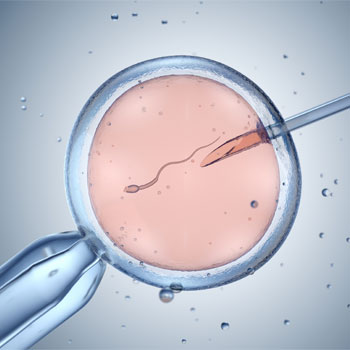
Fertility is the natural ability of a person or couple to conceive a pregnancy. In simple terms, it means the body’s capacity to produce healthy eggs or sperm, allow fertilization, and support the early stages of pregnancy. Fertility depends on many factors, including age, hormones, reproductive health, lifestyle, and overall wellness.
Understanding Fertility
In women, fertility is closely connected to ovulation, which is the release of an egg from the ovaries. A regular menstrual cycle often indicates that ovulation may be happening, but cycle regularity alone does not always confirm fertility. The health of the uterus, fallopian tubes, hormone balance, and egg quality also play an important role.
In men, fertility mainly depends on sperm health. This includes sperm count, movement, shape, and the ability of sperm to reach and fertilize an egg. Male fertility can be affected by lifestyle habits, infections, hormonal problems, heat exposure, stress, and certain medical conditions.
Factors That Affect Fertility
Fertility can change from person to person. Age is one of the most important factors, especially for women, because egg quality and quantity naturally reduce over time. Other factors such as body weight, smoking, alcohol use, sleep patterns, stress levels, thyroid problems, diabetes, PCOS, endometriosis, and previous infections may also affect fertility.
When to Seek Medical Advice
If a couple has been trying to conceive for one year without success, it is usually advised to consult a fertility specialist. Women above 35 years of age may consider seeking medical advice after six months of trying. Early evaluation can help identify possible causes and guide the right treatment plan.
Why Fertility Awareness Matters
Understanding fertility helps individuals make informed decisions about family planning and reproductive health. Tracking menstrual cycles, maintaining a healthy lifestyle, managing medical conditions, and getting timely checkups can support better reproductive outcomes.
Fertility is not only about pregnancy; it is also an important sign of overall reproductive wellness. If there are concerns about delayed conception, irregular periods, or reproductive health, consulting a qualified fertility specialist can provide clarity and proper guidance.