
What Is Sciatica?
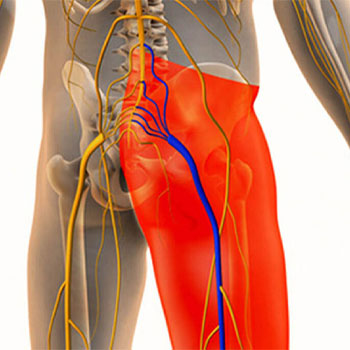
Sciatica is a common condition that causes pain along the path of the sciatic nerve. This nerve starts in the lower back, passes through the hips and buttocks, and travels down each leg. Sciatica usually affects only one side of the body and can range from mild discomfort to sharp, burning, or shooting pain.
Why Does Sciatica Happen?
Sciatica often occurs when the sciatic nerve becomes irritated or compressed. This may happen due to a slipped disc, spinal narrowing, bone changes, muscle tightness, or inflammation around the lower spine. When pressure is placed on the nerve, pain signals can travel from the back to the leg.
Common Symptoms of Sciatica
The symptoms of sciatica can vary from person to person. Some people feel lower back pain, while others mainly notice pain in the buttock, thigh, calf, or foot. The pain may feel like tingling, numbness, pins and needles, weakness, or an electric shock-like sensation. Sitting for long periods, bending, lifting, coughing, or sudden movements may increase the discomfort.
Who Can Get Sciatica?
Sciatica can affect adults of different age groups, especially people who sit for long hours, lift heavy objects, have poor posture, are overweight, or perform repeated bending movements. It can also occur in people with spine-related problems or reduced physical activity.
When Should You Consult a Doctor?
You should seek medical advice if leg pain is severe, continues for several days, keeps returning, or affects walking and daily activities. Immediate care is important if sciatica is associated with loss of bladder or bowel control, sudden leg weakness, numbness around the groin area, or pain after an injury.
How Is Sciatica Diagnosed?
A doctor may diagnose sciatica by asking about symptoms, checking movement, testing leg strength, and examining nerve-related signs. In some cases, imaging tests may be suggested to understand the exact cause of nerve irritation.
Managing Sciatica
Many cases of sciatica improve with proper rest, posture correction, guided exercises, physiotherapy, and lifestyle changes. Treatment depends on the cause, severity, and duration of symptoms. Avoiding prolonged sitting, maintaining a healthy weight, using safe lifting methods, and staying active can support spine health.
Sciatica is not just ordinary back pain. It is nerve-related pain that can travel from the lower back to the leg. Early evaluation and the right care plan can help reduce discomfort and prevent repeated flare-ups.