
What is Cervical Disease?
Cervical diseases are health conditions that affect the cervix, the lower part of the uterus that connects to the vagina. These conditions may include cervical infections, inflammation, cervical polyps, cervical dysplasia, HPV-related changes, and cervical cancer. Some cervical problems are mild and treatable, while others need early diagnosis and proper medical care.
Common Types of Cervical Diseases
One common cervical condition is cervicitis, which means inflammation of the cervix. It may happen due to infections, irritation, or other causes. Cervical polyps are small growths on the cervix and are usually non-cancerous. Cervical dysplasia means abnormal changes in cervical cells, which may sometimes develop into cancer if not monitored or treated.
Causes and Risk Factors
Human papillomavirus, commonly known as HPV, is one of the major causes of cervical cell changes. Other possible risk factors include repeated infections, weak immunity, poor genital hygiene, smoking, and lack of regular cervical screening. Not every cervical disease causes symptoms in the early stage, so routine checkups are important.
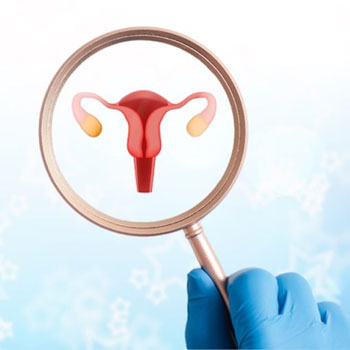
Symptoms of Cervical Diseases
Symptoms may vary depending on the condition. Some women may notice abnormal vaginal discharge, bleeding between periods, bleeding after intercourse, pelvic pain, pain during intercourse, or bleeding after menopause. However, many cervical diseases may remain silent in the beginning and are detected only during a pelvic examination, Pap smear, or HPV test.
Diagnosis and Screening
Cervical diseases are usually diagnosed through a gynecological examination, Pap smear, HPV test, colposcopy, or biopsy if required. Regular screening helps detect abnormal cervical cell changes before they become serious. Early detection can make treatment easier and more effective.
Prevention and Care
Maintaining good intimate hygiene, practicing safe sex, getting HPV vaccination as advised, avoiding smoking, and going for regular cervical screening can help reduce the risk of serious cervical problems. Women should not ignore unusual bleeding, discharge, pelvic pain, or post-menopause bleeding.
When to Consult a Doctor
If you experience abnormal vaginal bleeding, unusual discharge, pelvic discomfort, or pain during intercourse, consult a qualified gynecologist. Timely medical advice helps identify the cause and prevents complications. Cervical health is an important part of women’s overall wellness, and regular checkups can protect long-term reproductive health.