What is Jaundice?
Jaundice is a condition where the skin, eyes, and sometimes nails turn yellow due to a rise in bilirubin levels in the blood. Bilirubin is a yellow substance formed when the body breaks down old red blood cells. Normally, the liver processes bilirubin and removes it through stool. When this process is delayed or disturbed, bilirubin builds up and causes yellow discoloration.
Common Causes of Jaundice
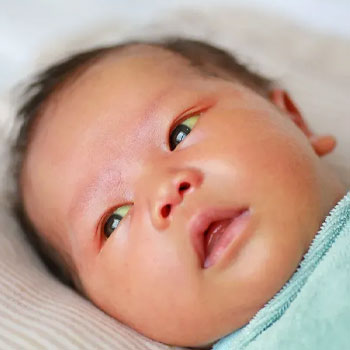
Jaundice can occur due to different reasons such as liver infection, blocked bile flow, excess breakdown of red blood cells, or immature liver function in newborns. In babies, mild jaundice is common during the first few days after birth, but careful observation is important.
Symptoms to Watch For
- Yellowing of the eyes and skin
- Dark yellow urine
- Pale or clay-colored stools
- Poor feeding or tiredness in babies
- Fever, vomiting, or abdominal pain
- Excessive sleepiness or irritability
When Should You Consult a Doctor?
Medical advice is needed if yellowing increases, the child is not feeding well, urine becomes very dark, stools become pale, or fever is present. Newborn jaundice should not be ignored if it appears within the first 24 hours of birth or becomes severe.
How is Jaundice Diagnosed?
A doctor may check the skin and eyes, ask about symptoms, and suggest blood tests to measure bilirubin levels and liver function. In some cases, urine tests or ultrasound may be advised to find the exact cause.
Treatment for Jaundice
Treatment depends on the cause and severity. Mild newborn jaundice may improve with regular feeding and monitoring. Higher bilirubin levels may require special light treatment called phototherapy. Jaundice caused by infection, liver problems, or bile blockage needs proper medical care.
Why Early Care Matters
Early diagnosis helps prevent complications and supports faster recovery. If you notice yellow eyes, yellow skin, poor feeding, unusual sleepiness, or dark urine, consult a qualified child health specialist for proper evaluation and guidance.